Explore home window tinting near me for energy savings, privacy, UV protection, and professional installation tips.
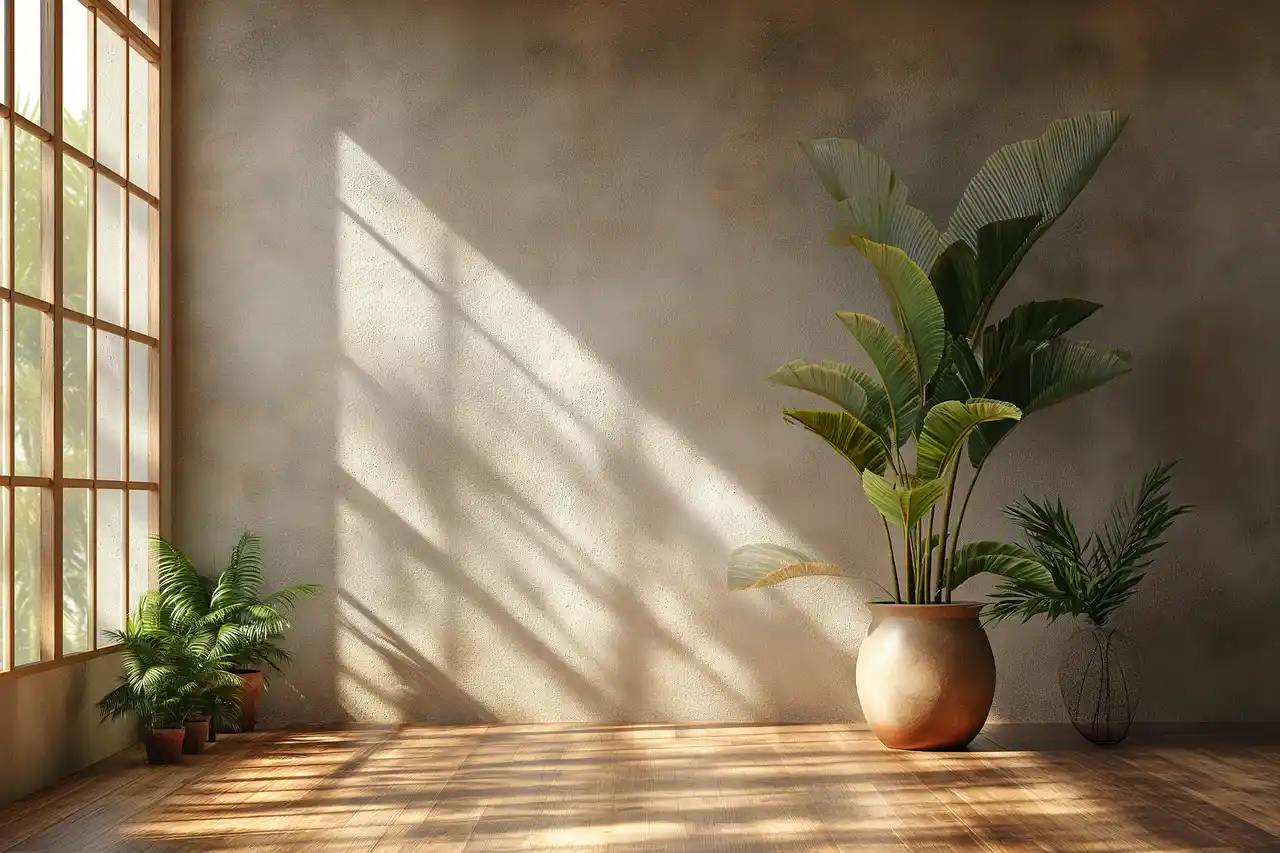
Understanding Home Window Tinting and Its Benefits
When searching for "home window tinting near me," homeowners are often looking for effective ways to enhance their home's comfort, privacy, and energy efficiency. Home window tinting refers to the application of a thin film on your house windows designed to block heat, harmful UV rays, and glare, while also adding privacy and style.
Installing window tint films has become increasingly popular for residential properties due to its proven benefits, including:
- Energy savings: Reducing heat transfer keeps interiors cooler during summer and warmer in winter.
- UV protection: Blocks up to 99% of harmful ultraviolet rays, preserving furniture and flooring.
- Increased privacy: Limits visibility from outside without sacrificing natural light.
- Glare reduction: Enhances comfort for reading, watching TV, or working indoors.
- Enhanced security: Some films strengthen windows, making them harder to shatter.
Types of Home Window Tinting Films
There are several options available when you consider "home window tinting near me." The choice usually depends on your budget, desired aesthetics, and specific functional needs.
1. Dyed Window Films
These are budget-friendly films that add a dark tint to glass windows for privacy and glare reduction. They absorb solar heat but do not block as much IR radiation as other films.
2. Metalized Films
Composed of tiny metal particles, these films reflect heat and block UV rays effectively. However, they may interfere with electronic devices like cell phones and Wi-Fi signals.
3. Ceramic Films
High-end and non-metallic, ceramic window tints offer superior heat rejection, UV protection, and durability without signal interference. They provide excellent clarity while maintaining privacy.
4. Hybrid Films
A combination of dyed and metalized layers, these films balance cost and performance.
How to Find Reliable "Home Window Tinting Near Me" Services
Locating trustworthy professionals is key to ensure quality installation and material. Here are some practical tips:
- Check local listings and reviews: Platforms like Google My Business, Yelp, and Angie's List often have verified customer feedback for local providers.
- Request certifications: Reputable installers hold industry certifications or partnerships with film manufacturers.
- Compare quotes: Get multiple estimates that outline costs, brands used, warranty terms, and installation times.
- Ask for samples or portfolios: A professional installer should be able to provide examples of completed projects or sample films.
Cost Factors for Home Window Tinting
The overall price of residential window tinting depends on multiple variables, such as:
| Factor | Description | Impact on Cost |
|---|---|---|
| Type of Film | Dyed, metalized, ceramic, or hybrid films | Higher-quality films (ceramic) are more expensive |
| Window Size and Number | The total surface area to be tinted | Larger windows and more rooms increase labor and material costs |
| Installation Complexity | Accessibility and shape of windows | Hard-to-reach windows may require additional labor or equipment |
| Warranty | Length and coverage offered by the company | Extended warranty plans can add to upfront cost but offer long-term value |
Typically, residential window tinting projects range from $5 to $15 per square foot, with prices varying according to quality and installation specifics.
DIY vs. Professional Home Window Tinting
While there are do-it-yourself window tint kits available, professional installation is highly recommended for residential properties to ensure:
- Proper application: Avoiding bubbles, creases, or uneven tinting.
- Optimal performance: Ensuring the film adheres well for maximum heat and UV rejection.
- Warranty coverage: Many manufacturers require professional installation to honor warranties.
- Expert advice: Guidance on the best films suited for your climate and home style.
Environmental and Health Benefits of Window Tinting
Beyond energy cost savings, window tinting contributes positively to sustainability efforts and indoor well-being:
- Reduced carbon footprint: Lower reliance on HVAC systems decreases electricity consumption and emissions.
- Improved comfort: Prevents overheating and excessive glare, making living spaces more enjoyable.
- Skin protection: Limits harmful UV exposure, reducing health risks for family members.
Summary
Home window tinting is a smart investment that enhances comfort, privacy, and energy efficiency. By searching for "home window tinting near me," homeowners can find reliable professionals offering various films tailored to individual needs. Whether opting for dyed, metalized, or ceramic options, understanding cost factors and emphasizing professional installation helps guarantee the long-term benefits of tinted windows. Ultimately, window tinting not only improves indoor living conditions but also contributes to environmental sustainability and health protection, making it a valuable addition to any home.